Colored/Precious Metals Market Weekly Report: Turbulence Pattern Under Geopolitical Risk and Macro Game
Introduction
This week (July 13 to July 19, 2026), the colored and precious metals markets show a fragmented pattern. Base metals such as copper and aluminum are fluctuating at high levels under the dual influence of macroeconomic data and geopolitical factors, while precious metals like platinum and rhodium are adopting a cautious stance due to anticipated fluctuations in the Federal Reserve's policy and deteriorating situations in the US-Iran region. Overall, market sentiment swings between inflation easing and hawkish interest rates, with rising geopolitical risks adding uncertainty to short-term trading.
Copper: Inventory Tightness Supports, High-Level Fluctuation Pattern Remains Unchanged
Copper prices surged and then pulled back this week, with the main contract briefly touching the pressure level of 105,000 yuan/ton, followed by a slight retreat. From a macroeconomic perspective, the US June CPI data showed a deceleration in inflation expectations, leading to a forecast for delayed rate hikes to warm up. However, the Federal Reserve Chairman continues to signal hawkish tones, coupled with deteriorating geopolitical situations in the US-Iran region, placing copper prices under clear macroeconomic turbulence.
At the spot level, the C-L spread remains in the $200-$300 range. LME inventories continue to be drawn down, and registered orders are rapidly increasing. Domestic structures maintain a BACK position, indicating tight spot supply. Supply-side support is relatively strong, with a decline in global inventories providing a bottom support for prices. However, domestic consumption is gradually entering the off-season, requiring close attention to inventory flow changes.
Overall, copper prices will remain in a high-level fluctuation pattern for the short term, trading activity is low, but the tight spot supply pattern has not reversed.
Aluminum: Inventory Drawdown Accelerates, But Upper Pressure Remains
Aluminum experienced a slight rebound followed by a pullback this week, with prices encountering pressure in the mid-range. Macroeconomically, US employment data was below expectations, and inflation has eased, but the Federal Reserve's stance remains hawkish, creating a hedge. Geopolitically, the partial war in the US-Iran region continues, and casualties in US military overseas bases increase the risk of escalating conflict intensity.
In terms of industry, the domestic social inventory is 1.007 million tons, a decrease of 55,000 tons from last week, with 30,000 tons being drawn down midweek, with expectations that it will soon fall below 1 million tons. However, the rate of drawdowns has slowed, and spot prices are shifting to a slight discount. Overseas, the ceasefire agreement in the Middle East is broken, increasing uncertainty regarding supply.
The core of short-term trading lies in the game between macroeconomics and geopolitics. Domestic social inventory drawdowns are accelerating, and overseas inventories are low, limiting the space for price recovery. However, systemic risks and supply disruptions are intertwined, making short-term volatility unavoidable. It is recommended that industry sector options continue to hold, cautioning against upper pressure.
Zinc: Lower Processing Costs and Production Cuts Support Bottom
The main September contract reported 24,400 yuan/ton, showing narrow fluctuations in the range. Weak demand, high inventories, coupled with falling processing costs to extreme lows, leading to significant losses for smelters, with discussions among merchants about production cuts providing support to the market structure. On the supply side, zinc ore imports for January-March are increasing faster, and refined zinc output continues to rise. However, imports have declined since April, raw material tightness is driving processing costs down rapidly, putting pressure on smelter profits, with expectations of production cuts in the second and third quarters.
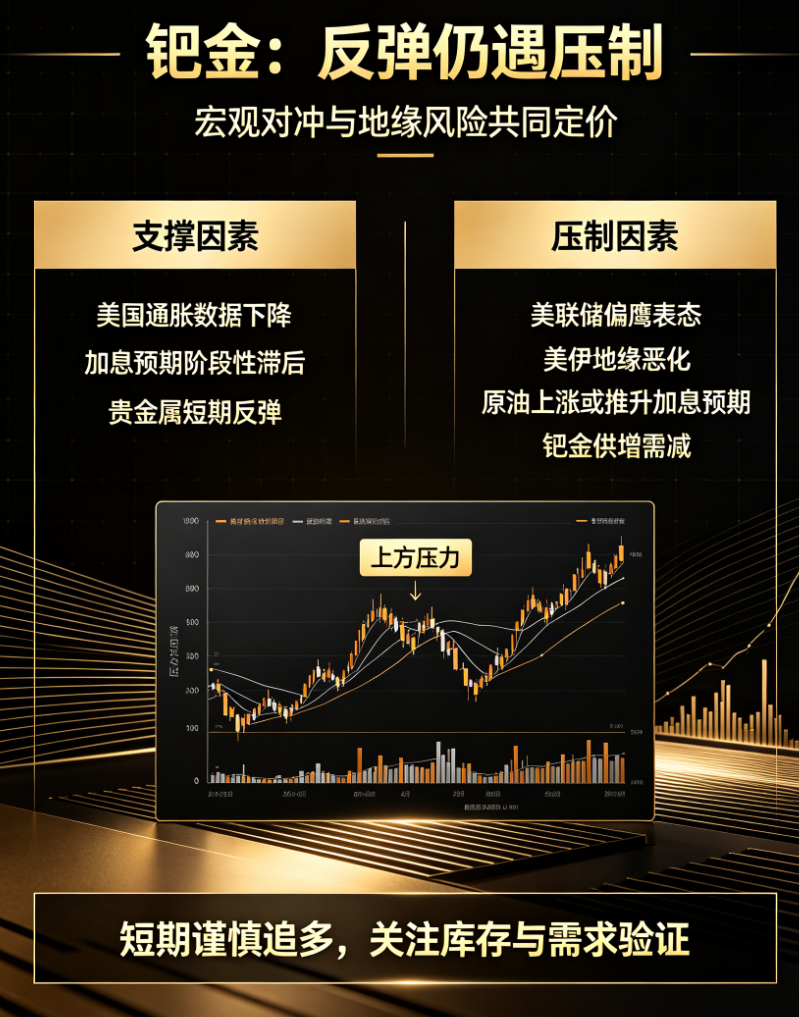
Global perspective, zinc minerals are still in an expansion cycle in 2026, but with declining reserves, growth forecasts are lowered. Overseas demand remains stable, and zinc supply and demand are relatively balanced, with industrial conflicts mainly concentrated on the mining and smelting ends. Zinc prices are expected to continue to fluctuate and consolidate in the medium term, with strong bottom support, considering a sell-look-down strategy. ## Lithium Carbonate: Oscillating and Volatile This week, lithium carbonate futures fluctuated narrowly, with the main contract closing at 150,140 yuan/ton. On the supply side, domestic production decreased, and July output remained basically flat; lithium carbonate exports from Chile to Taiwan increased by 11% compared to June. Inventory levels show continued depletion in social inventories. On the cost side, prices for spodumene and lithium carbonate concentrate fell. On the demand side, output increased, and energy vehicle orders are strong; however, new energy vehicle retail sales decreased year-on-year in the first half of July. On news, several ministries issued directives to impose consumption taxes on mature battery products, starting from September 2026 at 2%, rising to 4% in 2027. The fundamentals are strong, but forecasts are weak, so lithium carbonate is expected to fluctuate in the short term. Pay attention to changes in mining, port, and warehousing orders. ## Platinum: Stable at Low Levels, Following the Silver Rhythm The main platinum contract closed at 392 yuan/gram, showing stability amidst low-level fluctuations. US monetary policy still prioritizes inflation. Trading volume is less than 30% in inventory, and trading activity is low. Supply and demand are relatively balanced, with no obvious surplus or shortage. Platinum possesses both financial and industrial characteristics, subsequent fluctuations may still follow the silver rhythm, consider a call-buy options strategy. ## Rhodium: Geopolitical Risk Heating Up, Limited Room for Rebound The main rhodium contract opened low and closed low on Friday, opening at 299.5 and closing at 294.45, reaching a high of 302.1 and a low of 292.45. US inflation data was below expectations, but the Fed's stance is hawkish; a ceasefire agreement between the US and Iran is broken, local conflicts continue, and US military bases have casualties. In the short term, be wary of geopolitical risks escalating into a full-scale conflict, and if oil prices rise, it will increase interest rate expectations, suppressing precious metal prices. Considering that rhodium faces supply increases and demand decreases, the overall trend is towards surplus, and the room for rebound is limited. Pay attention to upward pressure in the short term and be cautious when chasing. ## Nickel: Bottom Oscillations, Focus on Mining Adjustments Nickel rebounded this week and then fell, closing at 130,530 yuan/ton on Friday night, showing low-level fluctuations. On the supply side, mining supply is relatively stable, but adjustments in Indonesian mining quotas need to be paid attention to. Wet smelting costs are higher, with support below the price. On the demand side, domestic conditions are weak overall, and demand for stainless steel is sluggish, while the positive polarity of new energy vehicles faces bottlenecks. Refinery nickel inventory cannot be cleared, and depletion is slow. Overall, nickel prices remain volatile with bottom support; focus on the adjustment of Indonesian mining quotas. ## Conclusion and Risk Warning Overall market performance this week shows clear structural divergence in precious metals, driven by the interplay of macroeconomic data, Fed monetary policy expectations, and geopolitical risks. Copper and aluminum, etc., are supported by current supply and demand, fluctuating at high levels. Rhodium and nickel are limited in their rebound due to weak fundamentals and macroeconomic pressure. In the short term, the market must closely monitor the impact of escalating US-Iran situations on oil and precious metals, as well as the effect of global inventory rhythms on precious metals. **Risk Warning:** Escalation of geopolitical conflicts, hawkish shifts in Fed monetary policy beyond expectations, and the risk of global economic recession could all lead to significant price fluctuations. Investors should remain cautious, allocate positions reasonably, and control risk.
ข้อควรระวังด้านลิขสิทธิ์: บทความนี้เป็นข้อมูลต้นฉบับของ ThaiDivi กรุณาติดต่อเราสำหรับการขออนุญาตเผยแพร่ซ้ำ